
If you have shopped for a new air conditioner recently, you have probably run into a rating called SEER2 and wondered what changed. In a place like South Florida, where the air conditioner is the single hardest-working appliance in the house and cooling drives your summer electric bill, that number is worth understanding. Here is what SEER2 actually measures, why it matters more here than almost anywhere, and the thing most sticker-shoppers miss: the rating on the box means very little if the system is sized and installed wrong.
The most efficient system on the shelf will underperform its rating if it is the wrong size for your home or installed poorly. Bigger is not better.
What SEER2 actually is
SEER stands for Seasonal Energy Efficiency Ratio — essentially the cooling output a system delivers over a season divided by the energy it uses to do it. The higher the number, the more cooling you get per dollar of electricity. SEER2 is the updated version of that metric, and it became the standard for new equipment at the start of 2023. The U.S. Department of Energy sets and updates these efficiency ratings for central air conditioning.
Why the test changed
The important thing about SEER2 is that it is measured with a tougher, more realistic test. The old SEER rating was measured under lab conditions that did not reflect the resistance of real installed ductwork. SEER2 uses an updated testing procedure with much higher external static pressure — closer to what a system actually faces pushing air through the ducts in your home. Because the test is harder, a given piece of equipment earns a SEER2 number a little lower than its old SEER number — roughly 4 to 5% lower — even though the machine itself did not get worse.
A unit’s SEER2 figure runs about 4 to 5% below the old SEER number for the very same equipment — not because the machine got worse, but because it is now measured against a more honest, real-world test. When you compare systems, just make sure you are comparing SEER2 to SEER2, not SEER2 to an old SEER rating.
The regional minimum standard
Efficiency minimums are set by region, and the Southeast — which includes Florida — has a higher bar than the northern states because we cool so much more. New split-system central air conditioners installed here have to meet a minimum of 14.3 SEER2 under the federal appliance and equipment standards program. That is the floor, not the ceiling: plenty of equipment is available well above it, and in a climate where the AC runs most of the year, stepping up from the minimum is often where the real savings live.
Why efficiency matters more in South Florida
In much of the country, air conditioning is a few months of the year. Here, it runs hard from spring into late fall and never really stops. That long runtime is exactly why the efficiency rating carries more weight for a Florida homeowner than for someone up north — a difference in SEER2 that would be trivial over a short cooling season compounds into real money across our long one. When cooling is the biggest single line on your summer power bill, the efficiency of the equipment producing it is not a detail. This is why ENERGY STAR certifies higher-efficiency cooling equipment for exactly the hot, high-use conditions we live in.
Sizing beats chasing the highest number
Here is the part the sticker will never tell you: the most efficient system on the shelf will underperform its rating if it is the wrong size for your home or installed poorly. Bigger is not better. An oversized air conditioner cools the air quickly but shuts off before it has run long enough to pull humidity out — so you end up with a house that is cold and clammy, short-cycling equipment that wears out early, and none of the efficiency you paid for. An undersized system runs constantly and still never quite keeps up.
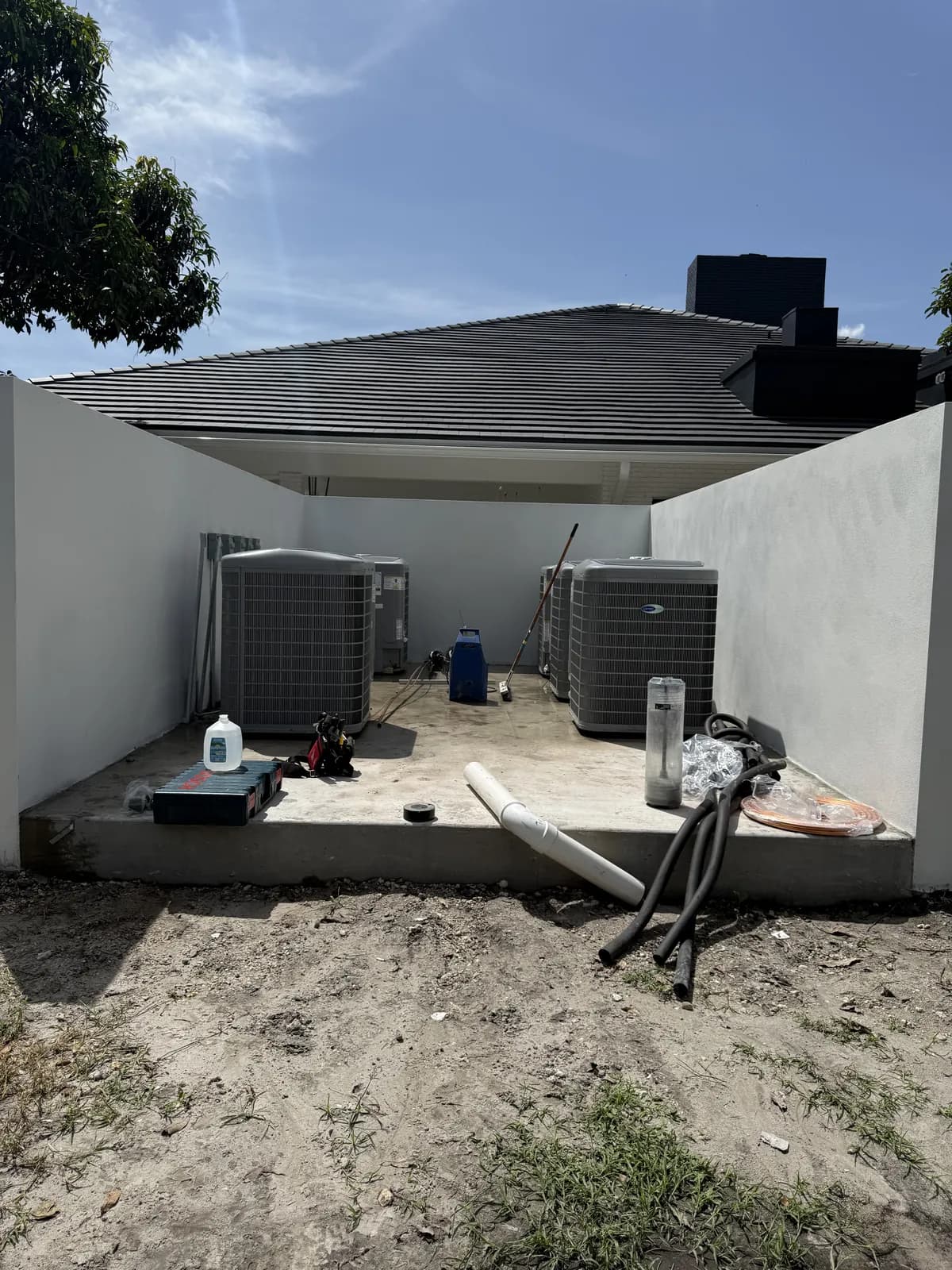
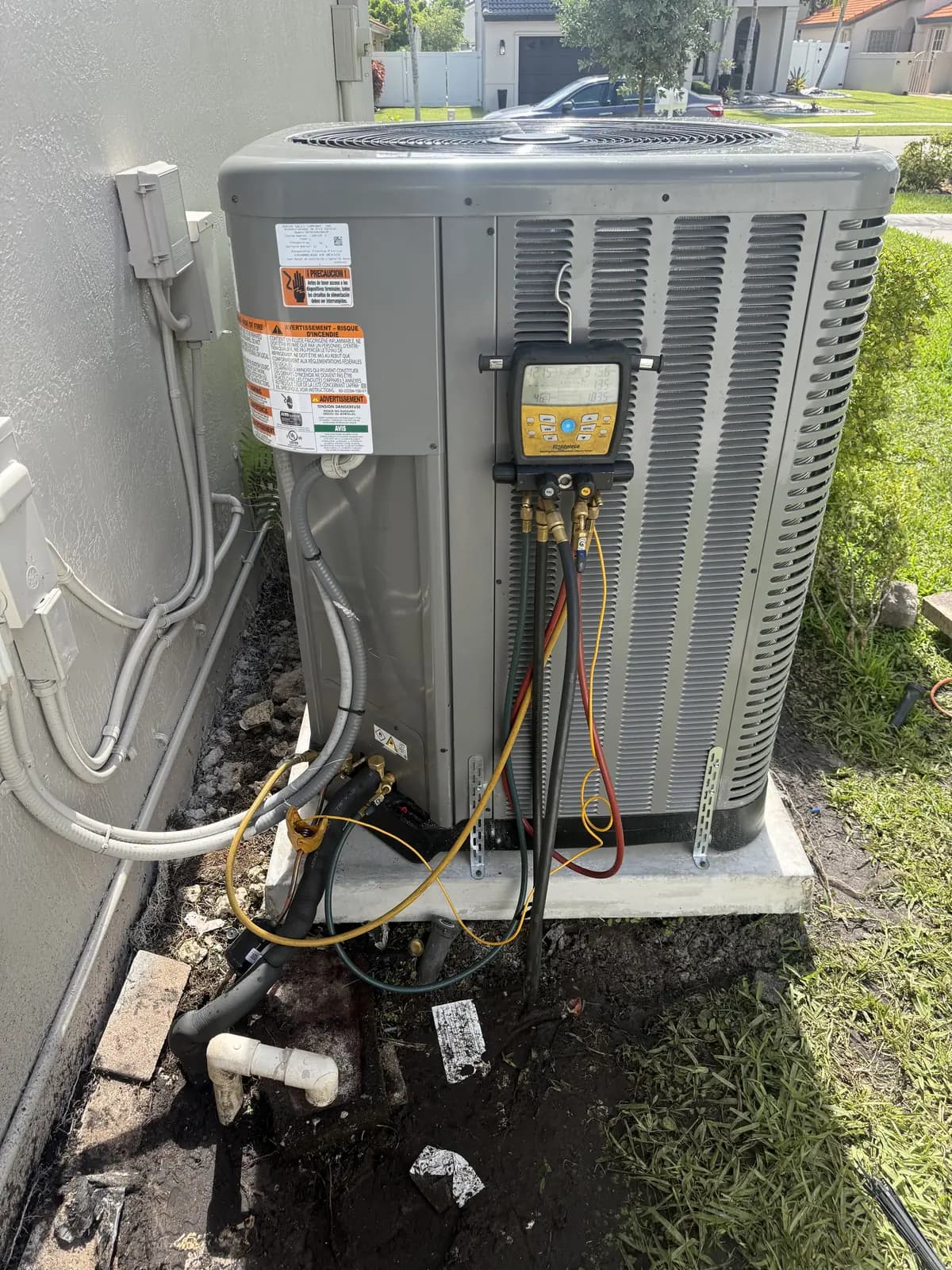
Right-sizing means calculating the actual cooling load of your specific home — its square footage, insulation, windows, orientation, and our brutal humidity — rather than guessing from a rule of thumb. In a humid climate, a correctly sized system that runs longer, steadier cycles does a better job of controlling moisture than an oversized one that blasts and stops. That is why we treat sizing and commissioning as the core of the job, not an afterthought: it is the difference between a system that hits its rated efficiency and one that never comes close.
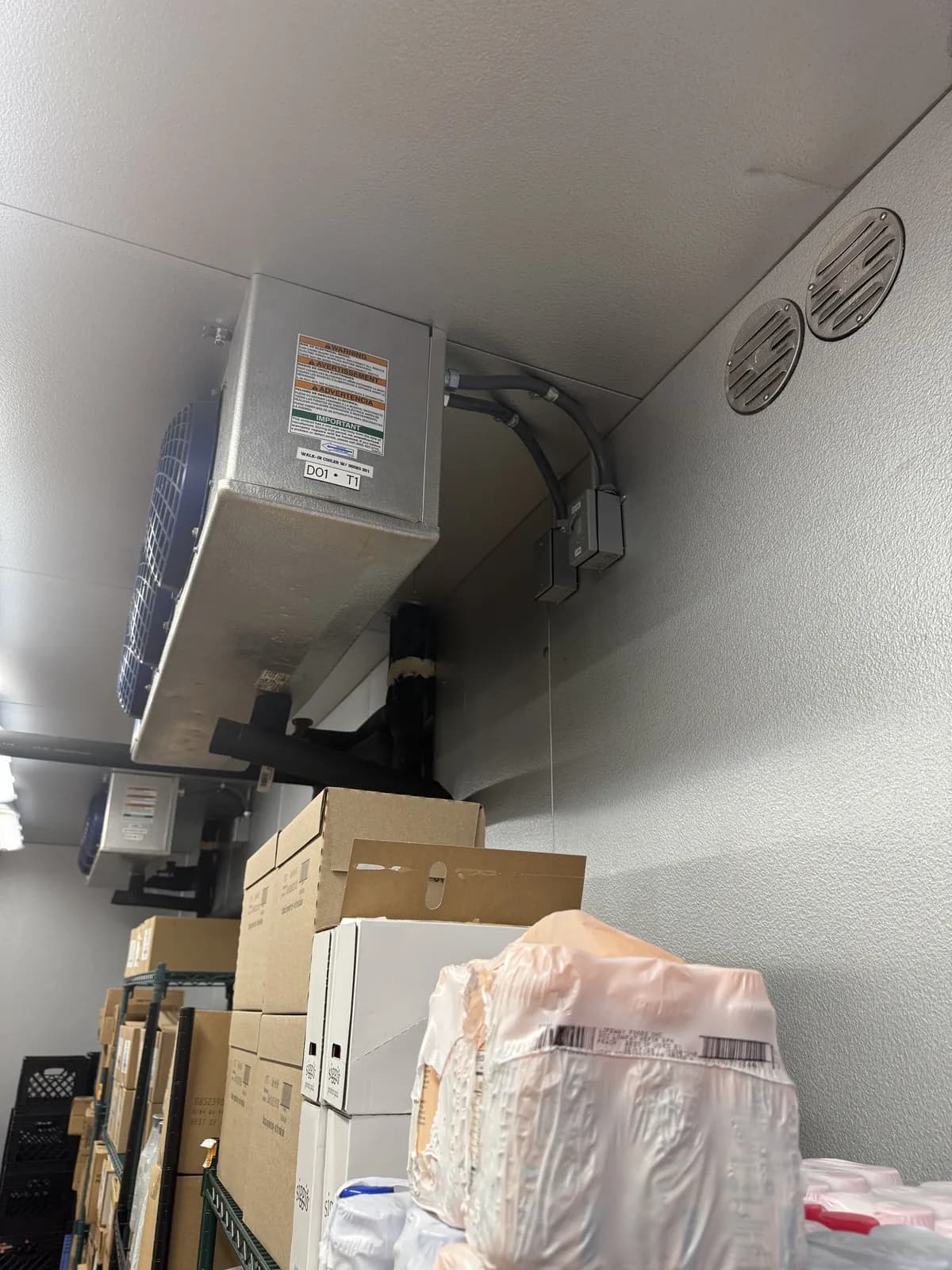
That commercial-grade rigor is exactly what we bring to home comfort. If you are weighing a new system, our residential AC and mini-split team sizes and commissions equipment for real South Florida conditions for homeowners across Davie and Broward County. Call (786) 841-1011 or request service online to talk through your options.
- SEER2 is the updated efficiency rating for new AC equipment, standard since 2023, measured with a tougher, more realistic duct-pressure test.
- A unit’s SEER2 number runs about 4 to 5% below its old SEER number for the same equipment — compare SEER2 to SEER2.
- New split-system central ACs in the Southeast, including Florida, must meet a minimum of 14.3 SEER2.
- Efficiency matters more here because our cooling season is long and the AC almost never stops.
- Correct sizing and commissioning beat chasing the highest number — an oversized unit leaves a home cold, clammy, and inefficient.