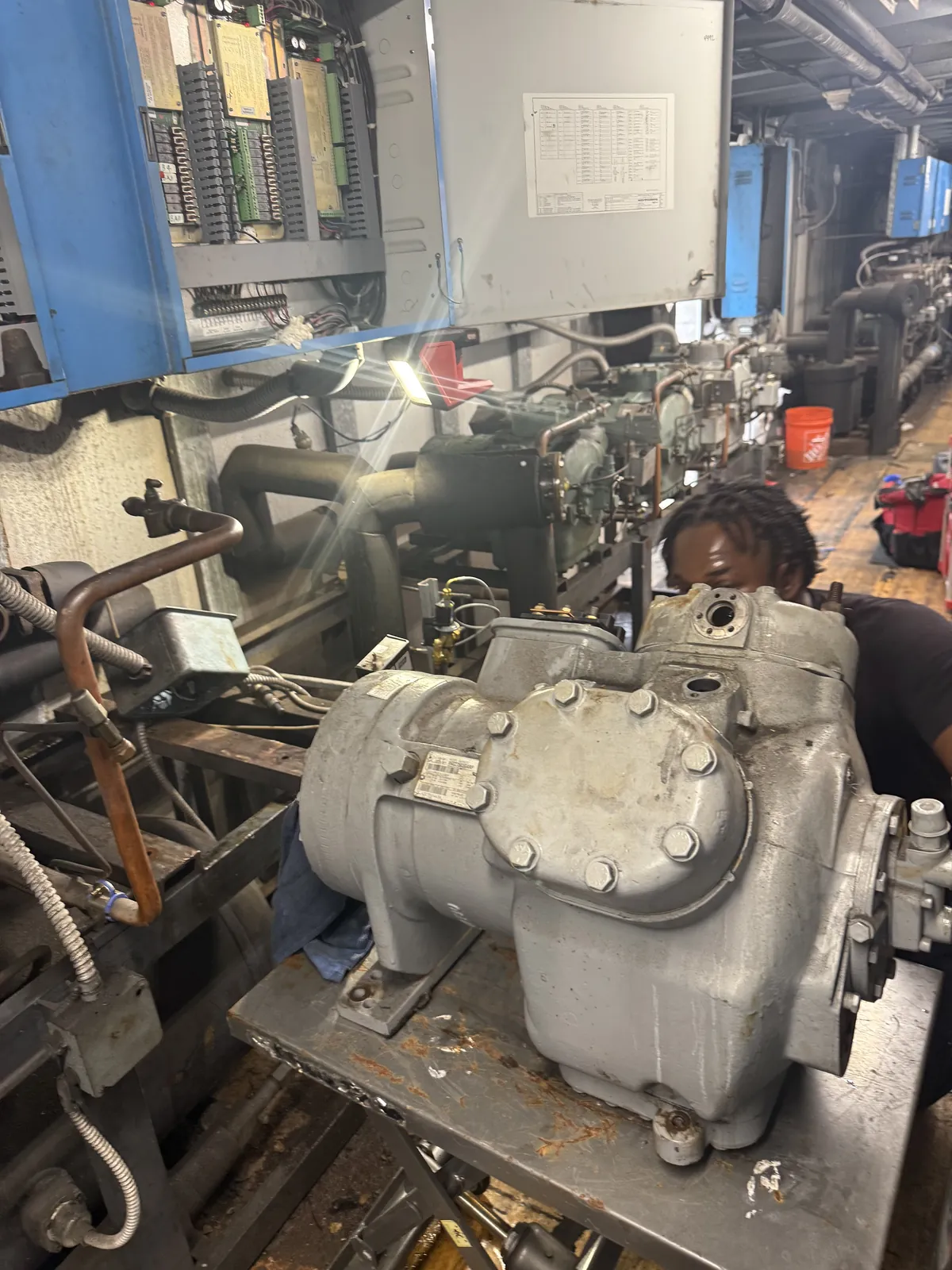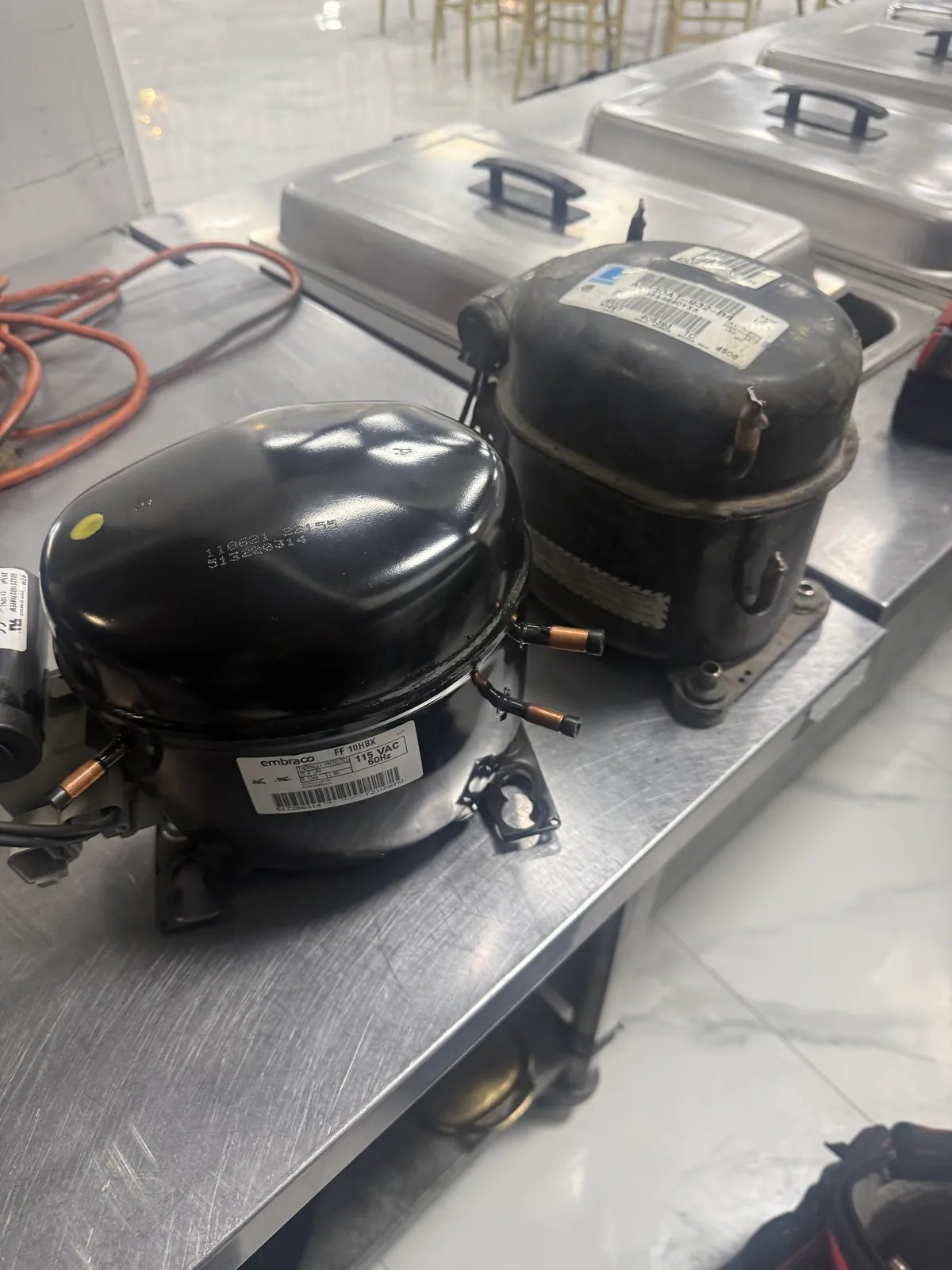
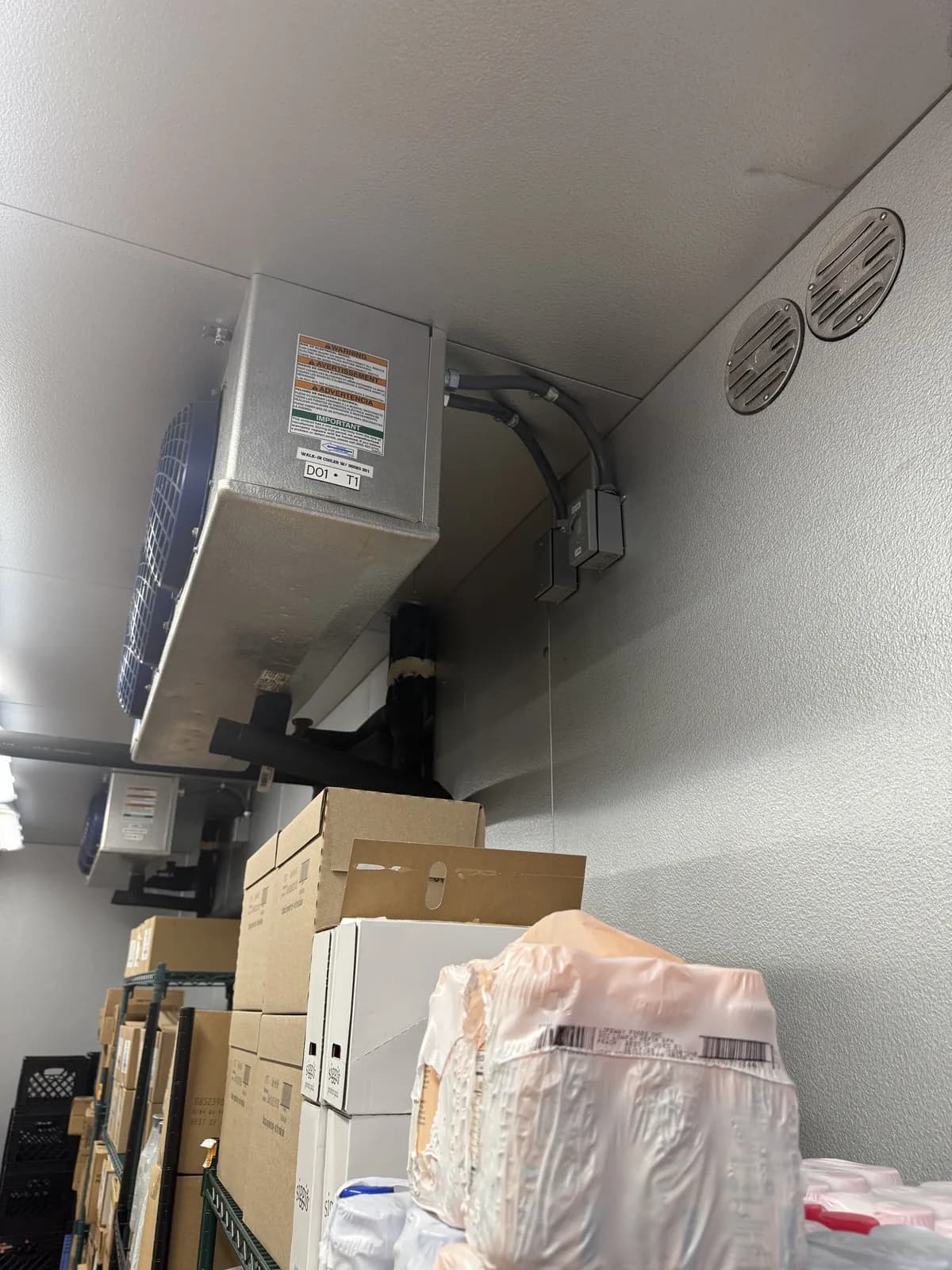
In a Florida commercial kitchen, refrigeration is not just equipment — it is your compliance record. A single reach-in that drifts warm during a health inspection can turn into a corrective action, a re-inspection, or product you are ordered to throw out. For restaurants, delis, and markets across Broward and Miami-Dade, keeping cold food cold is the line between a clean report and a bad afternoon.
The good news is that most refrigeration violations are preventable. They come from a handful of predictable failure points, and a disciplined routine catches almost all of them before an inspector ever walks in. This guide covers the temperatures that matter, the equipment problems that cause violations, and how to keep your kitchen inspection-ready year round.
In a Florida kitchen, your refrigeration is your compliance record — one warm reach-in during an inspection can mean a stop-sale.
The Temperatures Florida Inspectors Actually Check
Florida restaurant inspections are built on the federal food-safety standard. The state adopts the U.S. Food and Drug Administration model through the Florida Department of Business and Professional Regulation, which licenses and inspects public food-service establishments. The temperatures below come straight from the FDA Food Code that framework is based on.
- Cold holding: Time/Temperature Control for Safety (TCS) foods must sit at 41°F or below. Most operators target 38°F to 40°F to hold that line through door openings and Florida humidity.
- Frozen storage: freezers should keep product frozen solid; a freezer that cannot recover after a defrost or a busy service is a red flag.
- Hot holding: cooked TCS foods held hot must stay at 135°F or above — the other end of the same rule.
- The danger zone: bacteria multiply fastest between 40°F and 140°F, which is exactly why cold-holding equipment cannot be allowed to drift.
The USDA explains the science behind that window in its Danger Zone guidance: food left between 40°F and 140°F for more than a couple of hours becomes unsafe fast. An inspector who finds your cold well or walk-in above 41°F is not being picky — they are looking at a real risk to your customers, a risk the CDC ties directly to foodborne illness.
Refrigeration Failures That Trigger Violations
When a kitchen fails a temperature check, the cause is almost always mechanical, not the cook. These are the refrigeration problems our technicians find behind the most common violations in South Florida restaurants and markets.
- Walk-in drift: a dirty condenser coil, low refrigerant charge, or failing defrost cycle lets the box creep above 41°F, usually during the hottest, busiest part of the day.
- Torn reach-in and prep-table gaskets: a cracked door seal lets warm, humid air pour in, ices the coil, and pushes cold-well temperatures out of range.
- Undersized recovery: an overstocked or blocked box cannot move cold air, so temperatures spike after a rush and never fully recover.
- Blocked condenser airflow: grease and Florida pollen choke the condenser, so the system runs longer and cools less — the number-one call we get.
- Uncalibrated thermometers: a built-in gauge can read 38°F while the food sits at 45°F; inspectors verify with their own probe.
- Ice machine sanitation and temperature: neglected ice machines are both a refrigeration and a food-safety item, and a frequent inspection finding.
If a walk-in or reach-in is trending warm, move product to a working unit and call for service before your next rush. Running a box that cannot hold 41°F risks a stop-sale order on the food inside — and the loss of that inventory — if an inspector arrives while it is out of range.
Build an Inspection-Ready Refrigeration Routine
Passing your next inspection is far more about routine than luck. A simple, repeatable schedule keeps your equipment in range and gives you the temperature records inspectors like to see.
- Log temperatures at least twice a day for every cooler, freezer, and cold well, and keep the logs where staff can reach them.
- Calibrate probe thermometers regularly, and never trust a built-in gauge as your only reading.
- Inspect door gaskets monthly for tears and gaps, and replace worn seals before they ice up coils.
- Clean condenser coils on a set schedule — every three to six months in Florida’s climate — to keep heat rejection efficient.
- Put a preventive-maintenance agreement in place so a technician checks refrigerant, controls, and electrical connections before summer peaks.
- Have a backup plan: know which unit product moves to, and which contractor answers the phone at 2 a.m.
When to Call a Commercial Refrigeration Technician
- A cooler, freezer, or cold well will not hold 41°F after your basic checks.
- Ice keeps returning on the coils even after a manual defrost.
- You suspect a refrigerant leak — sealed-system work legally requires an EPA Section 608 certified technician.
- A compressor is short-cycling, tripping breakers, or making new mechanical noise.
- You have an inspection coming up and want your equipment verified in range first.
For restaurants and markets, downtime is measured in spoiled product, lost sales, and compliance risk. Vice Mechanical offers 24/7 emergency commercial refrigeration repair so a warm box before service does not become a failed inspection.
How Vice Mechanical Keeps South Florida Kitchens Compliant
Founded in Davie and led by Pedro Javier Pereira Jr., Vice Mechanical specializes in commercial refrigeration for restaurants, supermarkets, and cold-storage operators. We service walk-in coolers and freezers, reach-in and display cases, prep tables, and the parallel rack and CO₂ systems behind larger operations — with the disciplined, document-it-before-we-leave approach compliance demands.
We keep kitchens in range across Fort Lauderdale, Miami, Hollywood, Pembroke Pines, and the wider tri-county area. Facing a temperature problem right now? Call (786) 841-1011 for emergency service, or request service online and get a technician on the way.
- Florida adopts the FDA Food Code: cold TCS food must hold at 41°F or below.
- Most violations trace to mechanical failures — coil, gasket, charge, or defrost — not staff error.
- Twice-daily temperature logs and calibrated thermometers are your first line of defense.
- Never run a cold-holding unit that cannot hold temperature; move product and call for service.
- A preventive-maintenance agreement turns surprise failures into scheduled visits.
Restaurant Refrigeration Compliance FAQ
A compliant kitchen is a well-maintained kitchen. Hold your temperatures, keep your logs, service your equipment on a schedule, and know who to call when a box goes warm. When cold cannot wait, Vice Mechanical is on call around the clock across South Florida.